The Data Behind Investing in Great Hospitality Audio
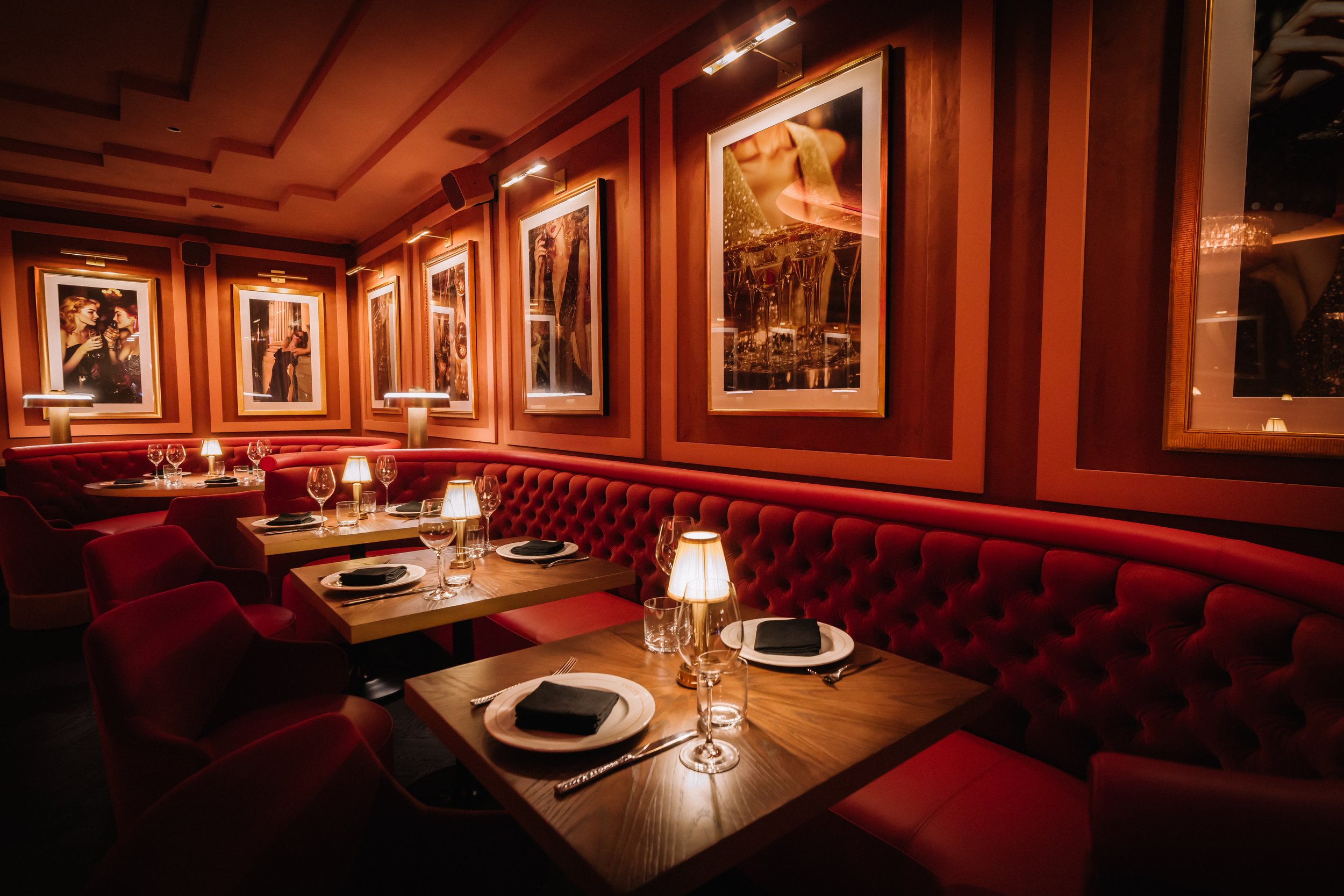
Interior at Bar Darling San Francisco
7 Statistics Every AV Integrator & Venue Designer Should Know
For a restaurant, hotel, lounge, or hospitality venue and lighting, interior design, sound and music all shape the guest experience. But research shows that audio does more than create ambiance. It can influence how long guests stay, how quickly tables turn, and how people experience a space.
For hospitality venues, audio design and its soundtrack is another design element that shapes how guests interact with a space. From the pace of a meal to the comfort of a conversation, the right audio experience can reinforce the atmosphere a venue is trying to create.
Here are seven statistics every hospitality designer and AV integrator should know when deciding on a design approach for a hospitality project’s sonic landscape.
1. Guests stayed 40.2% longer with slow-tempo music, increasing average dining time by more than 23 minutes.
A 2024 field experiment found that diners exposed to slow-tempo background music stayed an average of 80.3 minutes, compared to 57.3 minutes for guests hearing fast-tempo music, a 40.2% increase in dining time.
Longer visits may create more opportunities for guests to order another beverage, dessert, or simply spend more time enjoying the environment. But creating an atmosphere where guests want to linger involves more than choosing the right playlist.
Comfortable sound levels, balanced coverage, and clear music reproduction all contribute to an environment that encourages guests to relax rather than leave because the space feels fatiguing.
2. On average a 1 % increase in dwell time leads to a 1.3% increase in sales
Studies on ‘dwell time’ in restaurants and shopping, like Time is Money by Path Intelligence, consistently show that for every additional 15 minutes guests remain comfortable in the space, average spend increases. Showing that acoustic comfort correlates with increased spending.
Uneven coverage and distortion can create completely different listening experiences from one table to the next. Some guests may hear music that's too loud, while others hear very little at all.
A distributed loudspeaker system helps deliver the intended atmosphere throughout the space, allowing the carefully selected soundtrack to support the guest experience from every seat.
3. Fast-tempo music shortened dining time by 20.8%.
Compared to the restaurant's standard playlist, fast-tempo music reduced average dining time by 20.8%.
For quick-service restaurants, cafés, and other high-volume hospitality spaces, encouraging faster table turnover can be part of the operational strategy. Music becomes another tool for influencing how guests move through the space.
To be effective, however, every guest should experience the same soundtrack. A thoughtfully designed sound system helps maintain consistency throughout the venue, ensuring the intended atmosphere reaches every area instead of varying dramatically from one location to another.
4. Slow-tempo music increased dining time by 16%.
Compared to the restaurant's normal music selection, slow-tempo music increased dining time by 16%.
The study demonstrates that even modest changes to a playlist can influence guest behavior. Small adjustments, paired with a thoughtfully designed audio system, help create a cohesive environment that supports the goals of the venue.
Whether the objective is encouraging guests to linger or maintaining a lively atmosphere, the listening experience should feel intentional.
5. The average restaurant measures approximately 77 dBA.
According to SoundPrint' crowdsourced restaurant sound level data, many restaurants measure around 77 dBA. At that level, guests often need to raise their voices to comfortably hold a conversation.
Managing sound in hospitality spaces isn't simply about lowering the volume. The goal is to create an environment where music complements conversation rather than competing with it.
Speaker placement, coverage, and system tuning all play an important role in maintaining comfortable sound levels throughout the venue, helping guests enjoy both the music and each other's company.
6. Around 70 dBA is generally considered ideal for conversation.
SoundPrint classifies restaurants around 70 dBA or below as providing comfortable conversation levels, while venues above 75 dBA become increasingly difficult for guests to communicate naturally.
Reaching a comfortable average sound level is only part of the equation. If some areas of the venue are significantly louder than others, guests can still have very different experiences.
Consistent coverage allows venues to maintain a comfortable listening environment across the entire space instead of creating pockets of excessive or insufficient sound.
7. 100% of guests deserve the same listening experience.
The research is clear: background music can influence guest behavior. It can shape how long guests stay, how they perceive a space, and how comfortably they interact with the people around them.
But none of those benefits happen automatically. They depend on guests hearing the intentionally designed venue as it was intended.
Thoughtful loudspeaker placement, even coverage, and proper system design help ensure every guest experiences the same atmosphere. This should be true whether they're seated by the entrance, at the bar, or in the corner of the dining room.
At 1 SOUND, we believe exceptional hospitality audio is measured by how consistently and clearly that experience reaches every guest. Because when every seat delivers the same listening experience, the atmosphere becomes part of the hospitality itself.
Sources
Malcman, M., Azar, O. H., Shavit, T., & Rosenboim, M. (2024). How Does Background Music Affect Dining Duration, Tips and Bill Amounts in Restaurants? A Field Experiment. Behavioral Sciences, 14(12), 1188. https://doi.org/10.3390/bs14121188
Milliman, R. E. (1986). The Influence of Background Music on the Behavior of Restaurant Patrons. Journal of Consumer Research, 13(2), 286–289.
SoundPrint. Listening to the Data: Optimizing Conversation Sound Levels for Venues.
SoundPrint Research Database (Crowdsourced Venue Sound Level Data).
Path Intelligence White Paper Time is Money: Shoppers Spend More When They Stay Longer
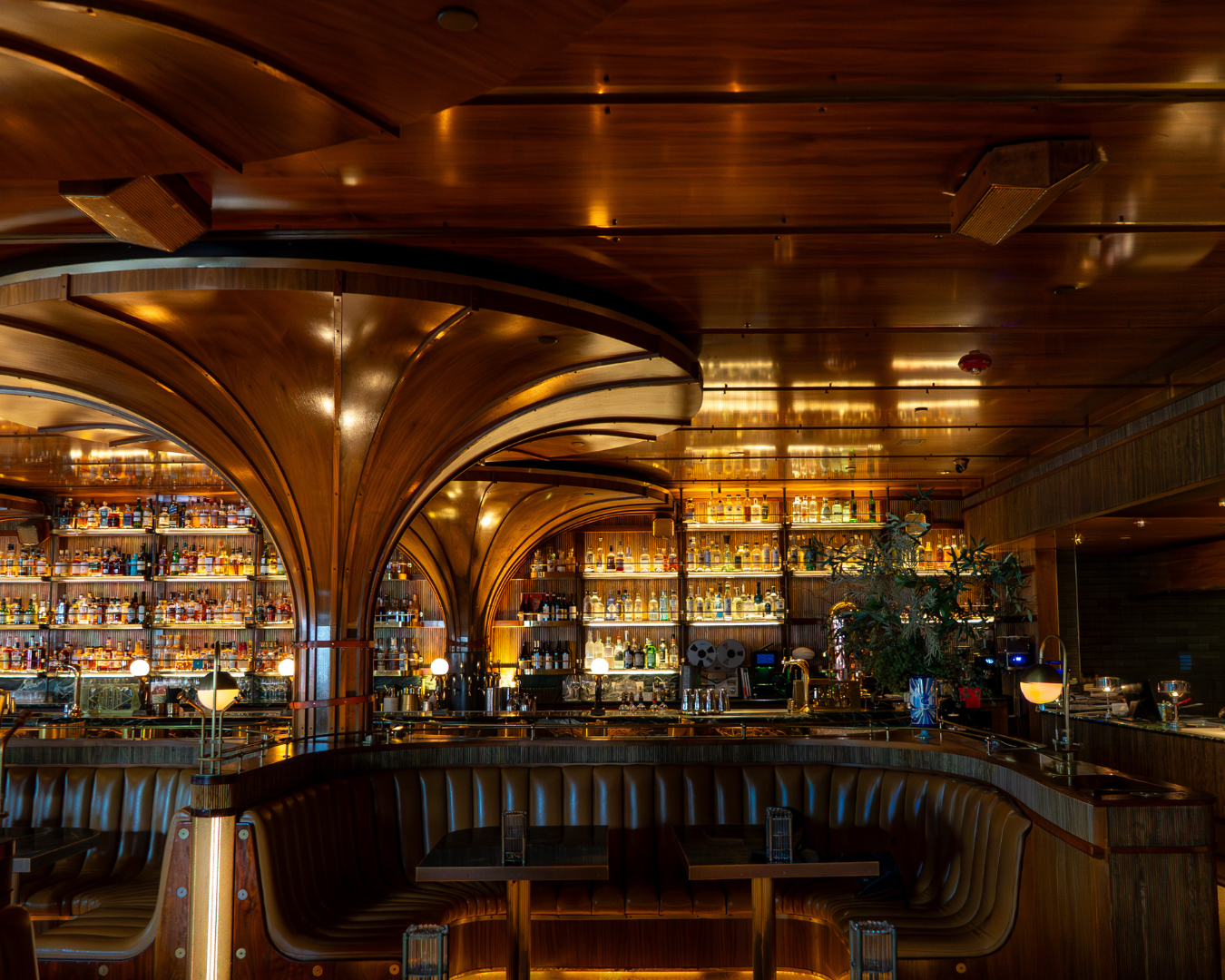
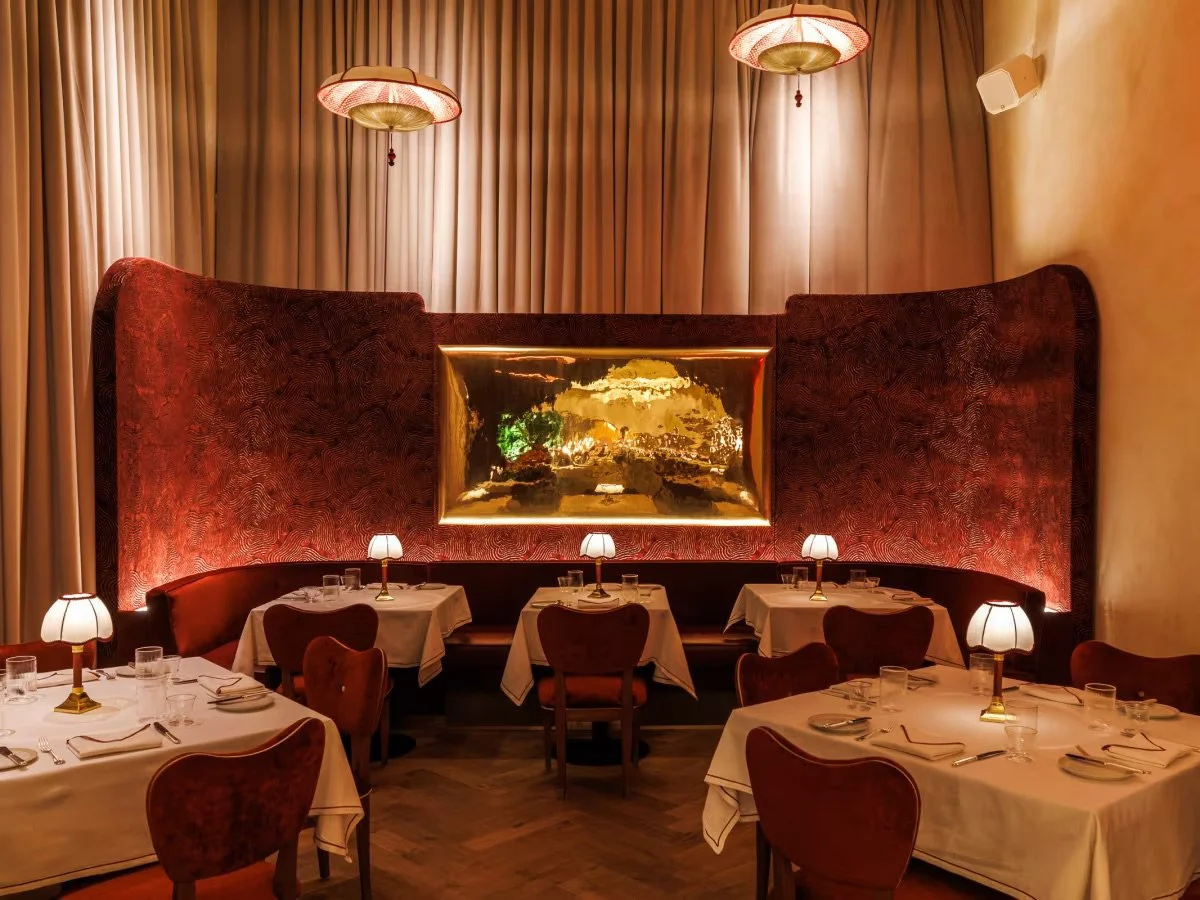
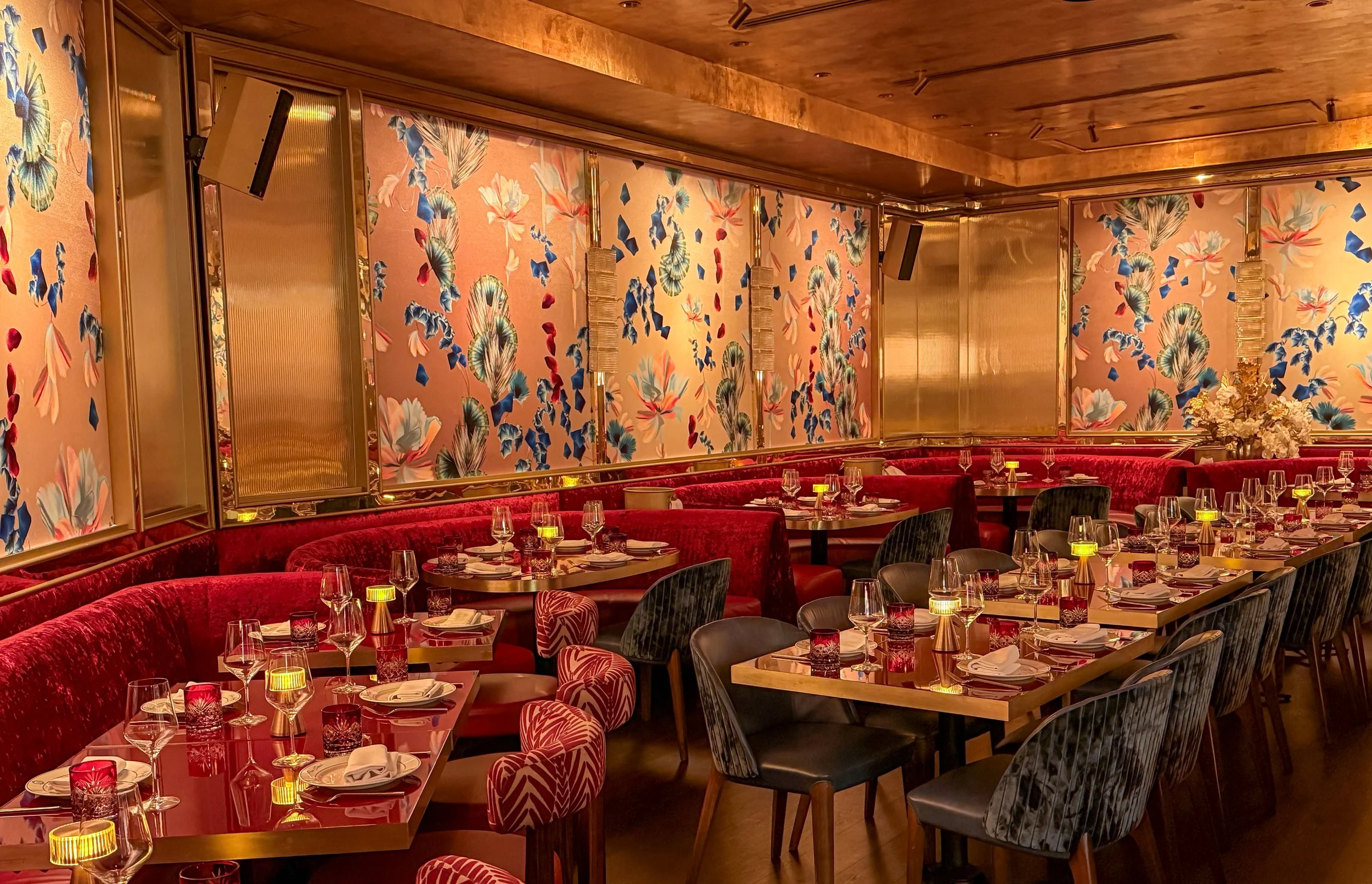
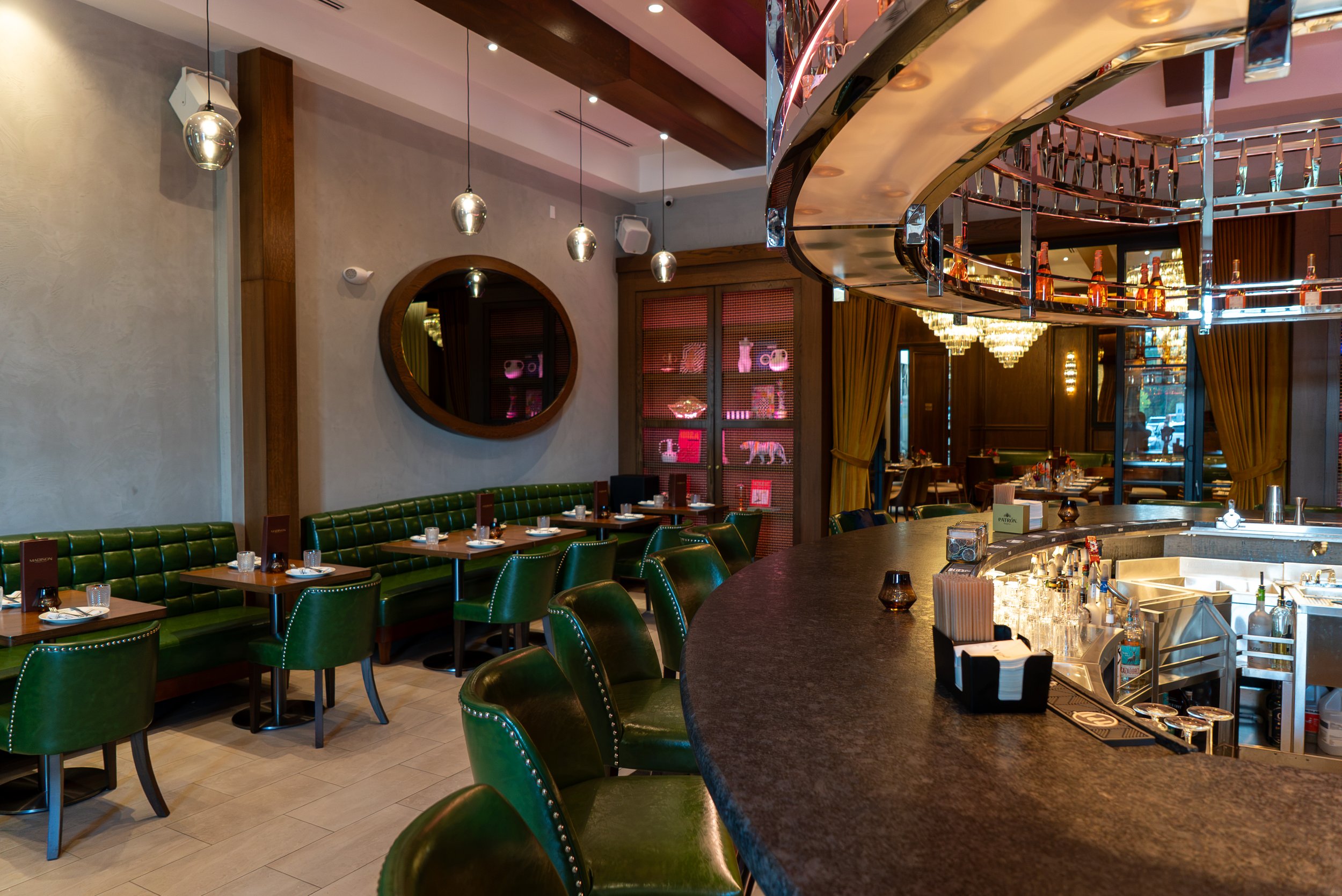
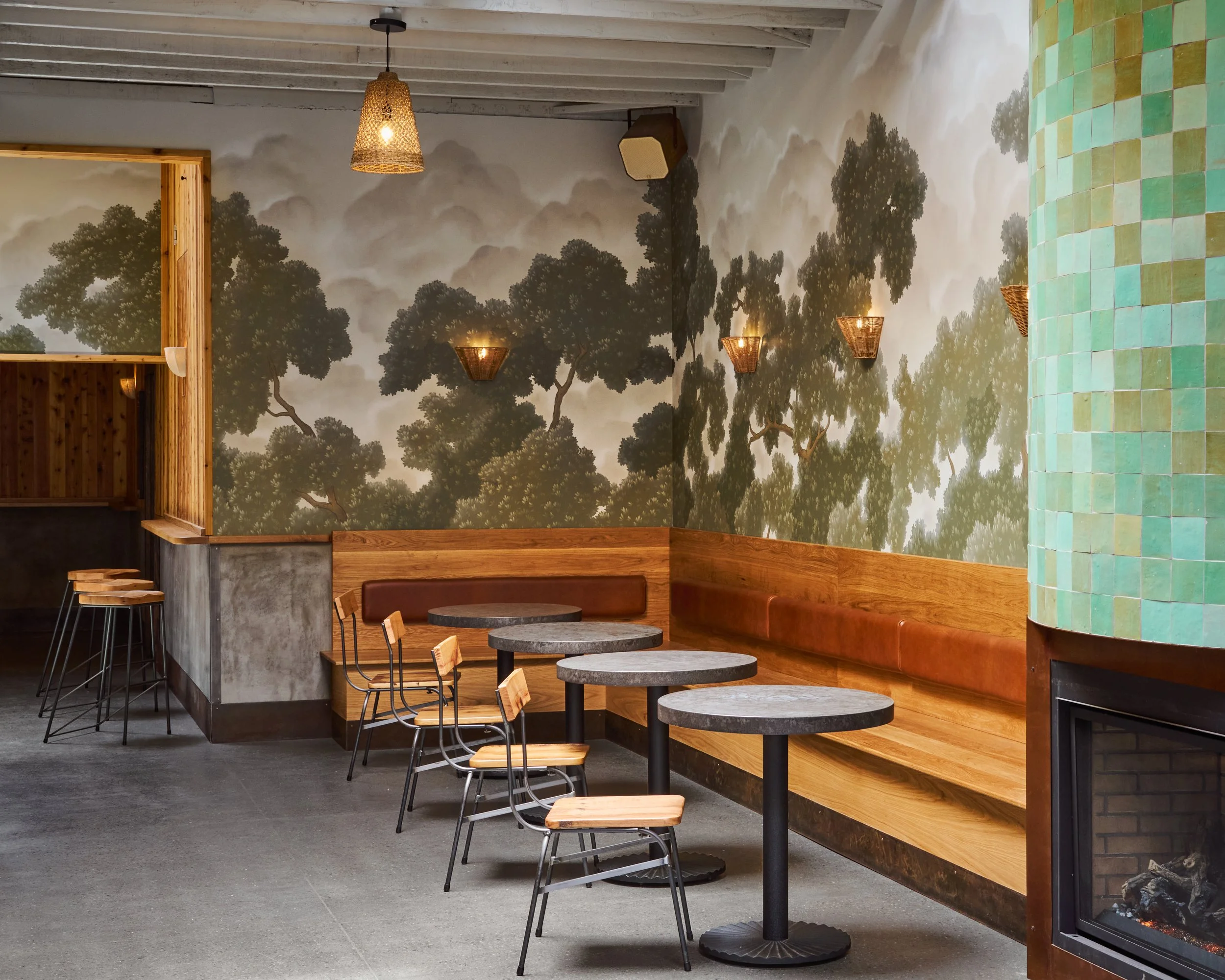
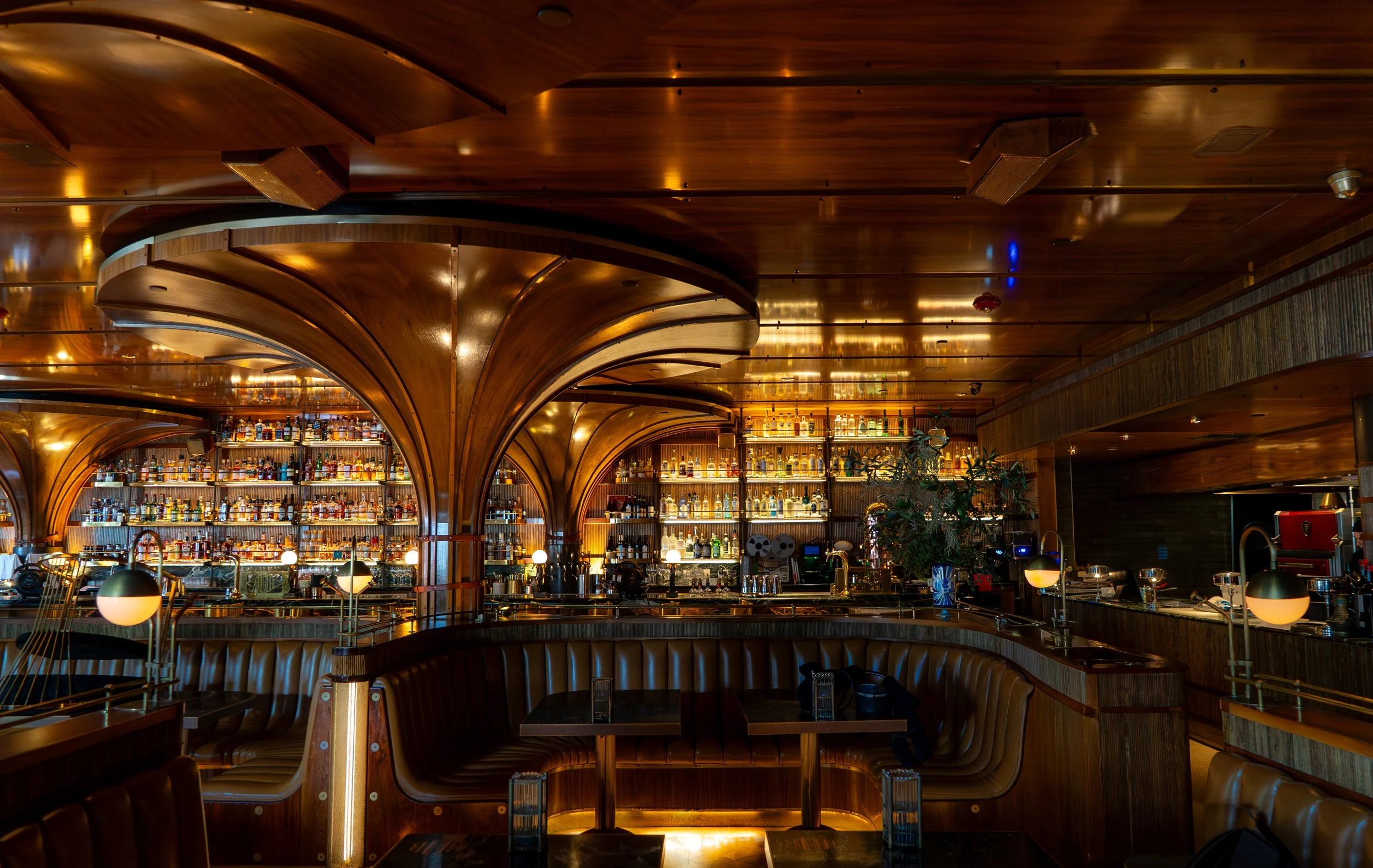
From left to right: Born + Raised, Papi Steak Miami, and Winnie’s Jazz Club.
Winnie’s Jazz Club photo courtesy of Elizabeth Leidel Photography