Subwoofer Approach: From Discreet Wall Panels to High-Powered Triple-10s
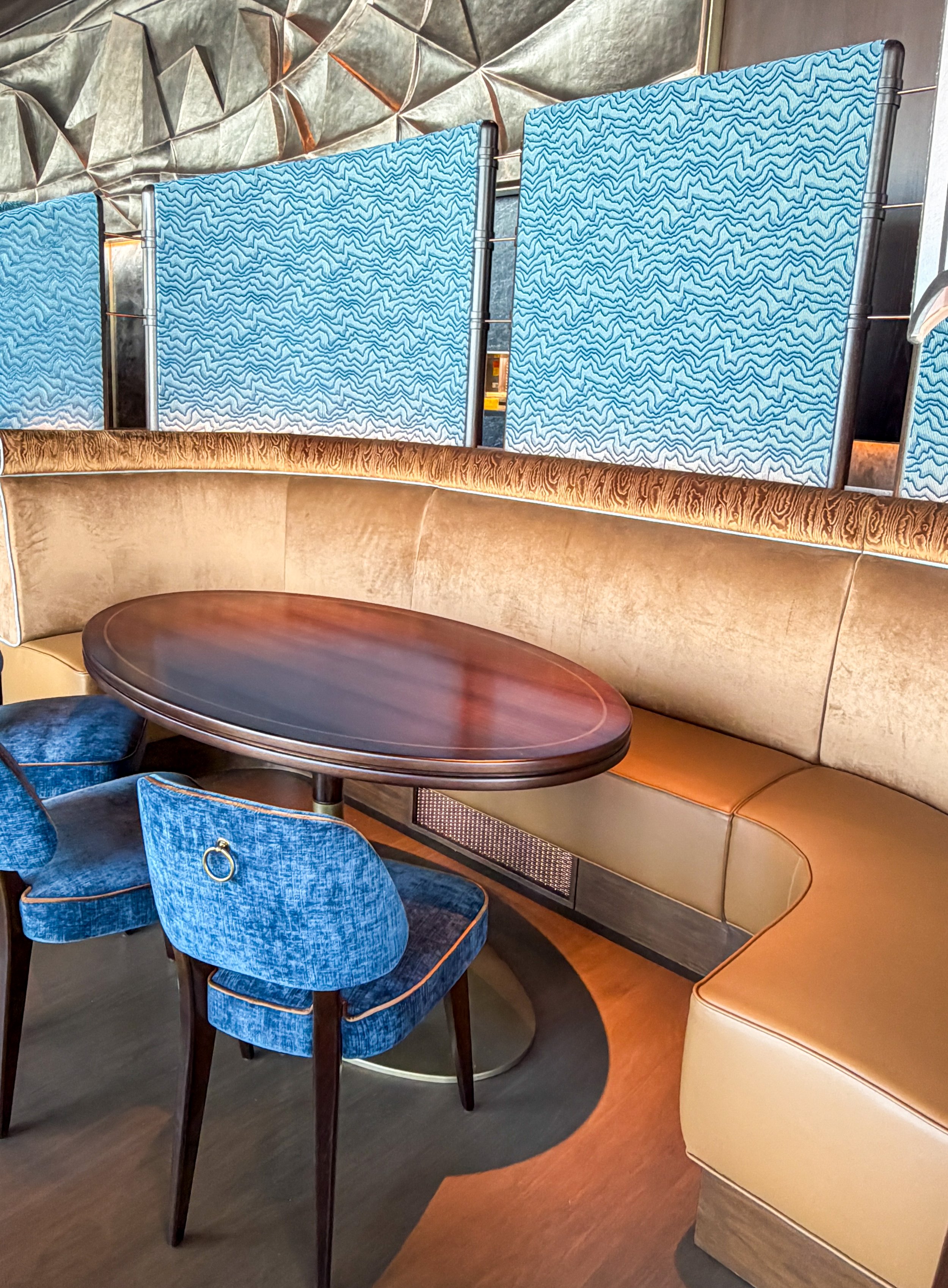
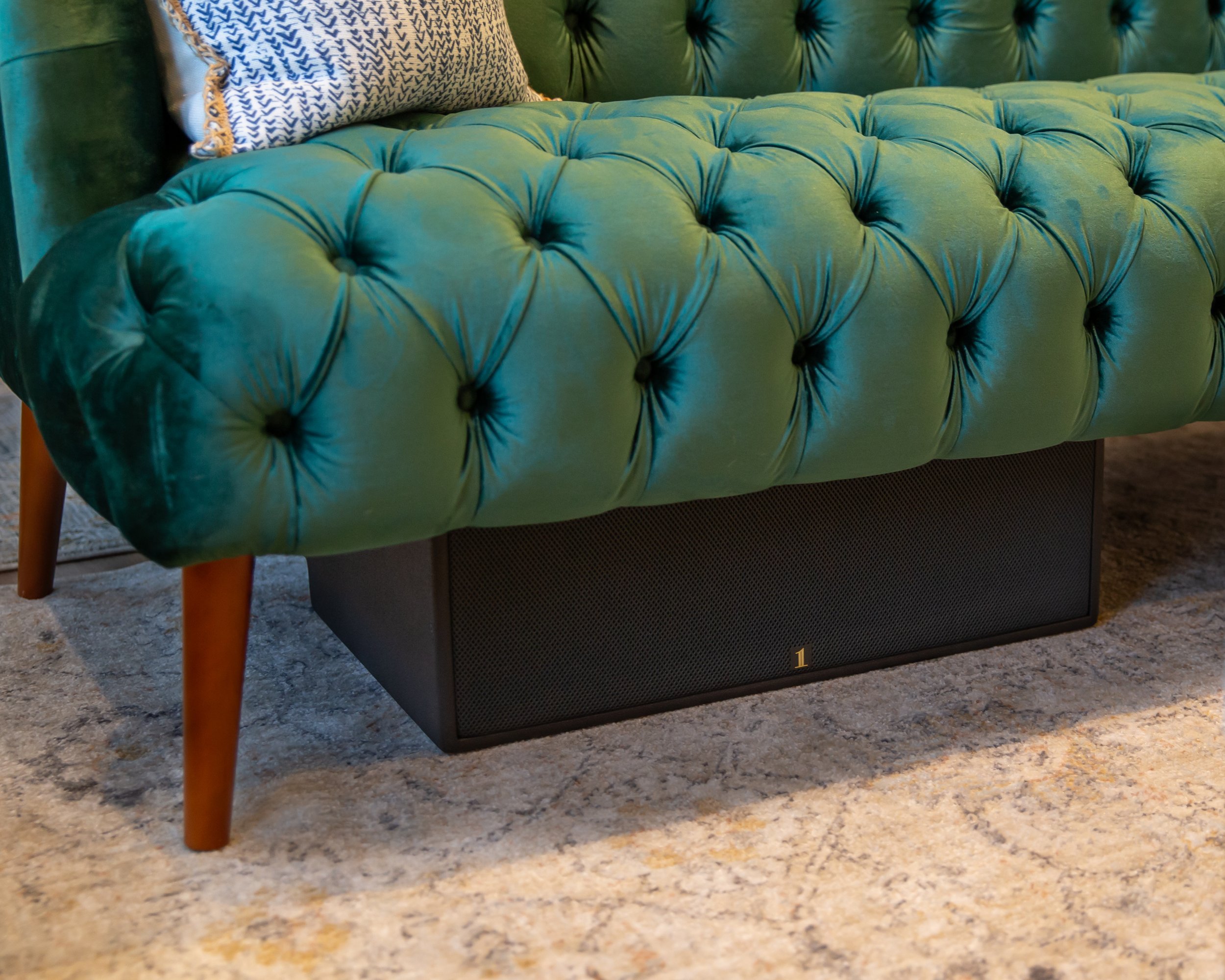
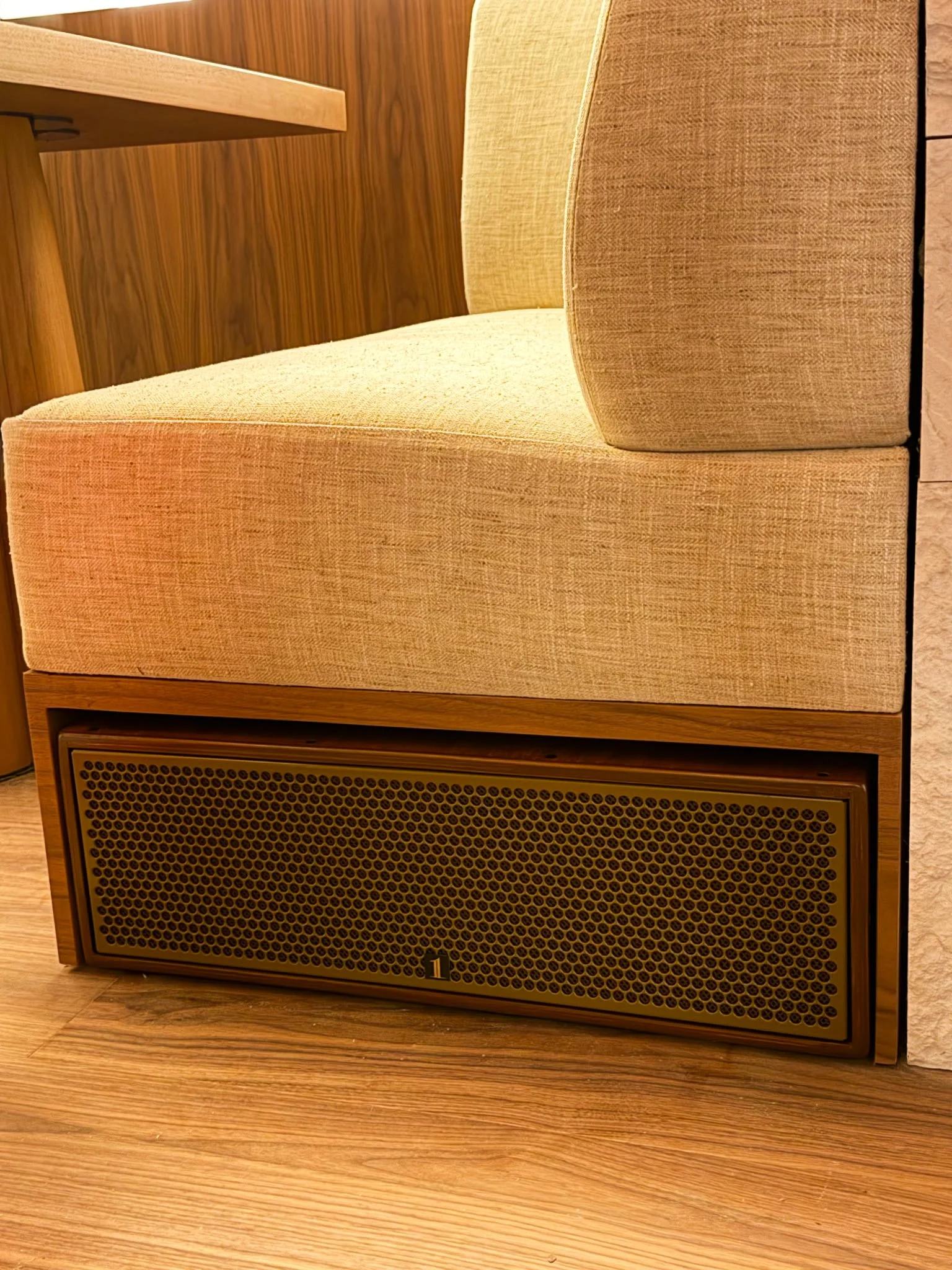
SUB28 in a banquette
Low-frequency design doesn't look the same in every space. A residential installation may require a discreet subwoofer that disappears into the architecture, while a performance venue may demand the output and control of a larger array. 1 SOUND's subwoofer range is designed to address those different requirements, giving integrators the flexibility to choose the right combination of output, form factor, and deployment for the space.
With more than a dozen subwoofer models across its range, 1 SOUND offers solutions for a wide variety of applications and installation requirements. The right choice starts with understanding what the space needs.
Start With the Space
One of the biggest factors in subwoofer selection is SPL: how much air needs to be moved to achieve the desired result. Physical constraints and aesthetic requirements also play an important role.
The available space may not accommodate a larger-format subwoofer, and the application may not require the additional output it provides. A smaller form factor can provide the desired low-frequency extension while integrating more naturally into the space.
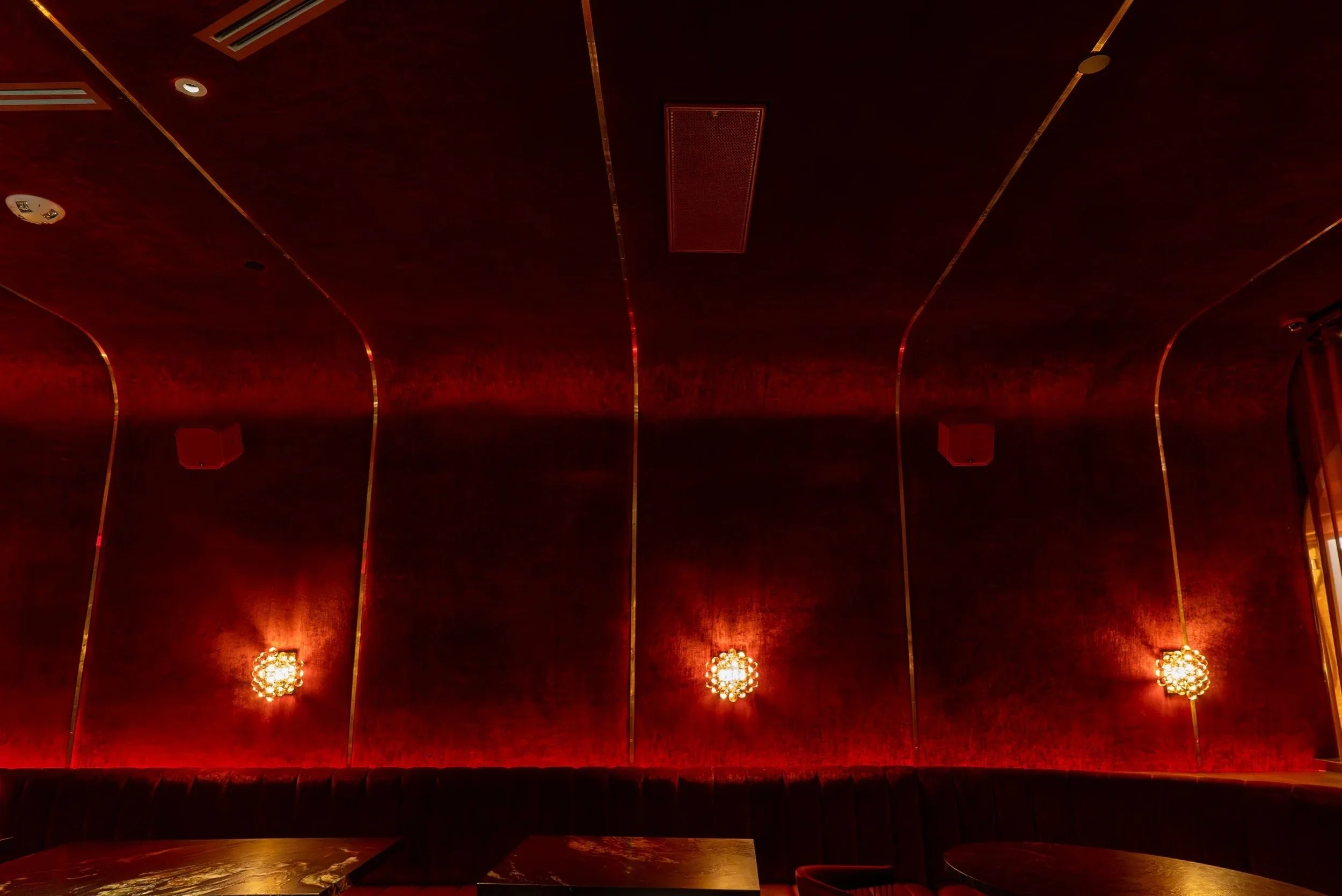
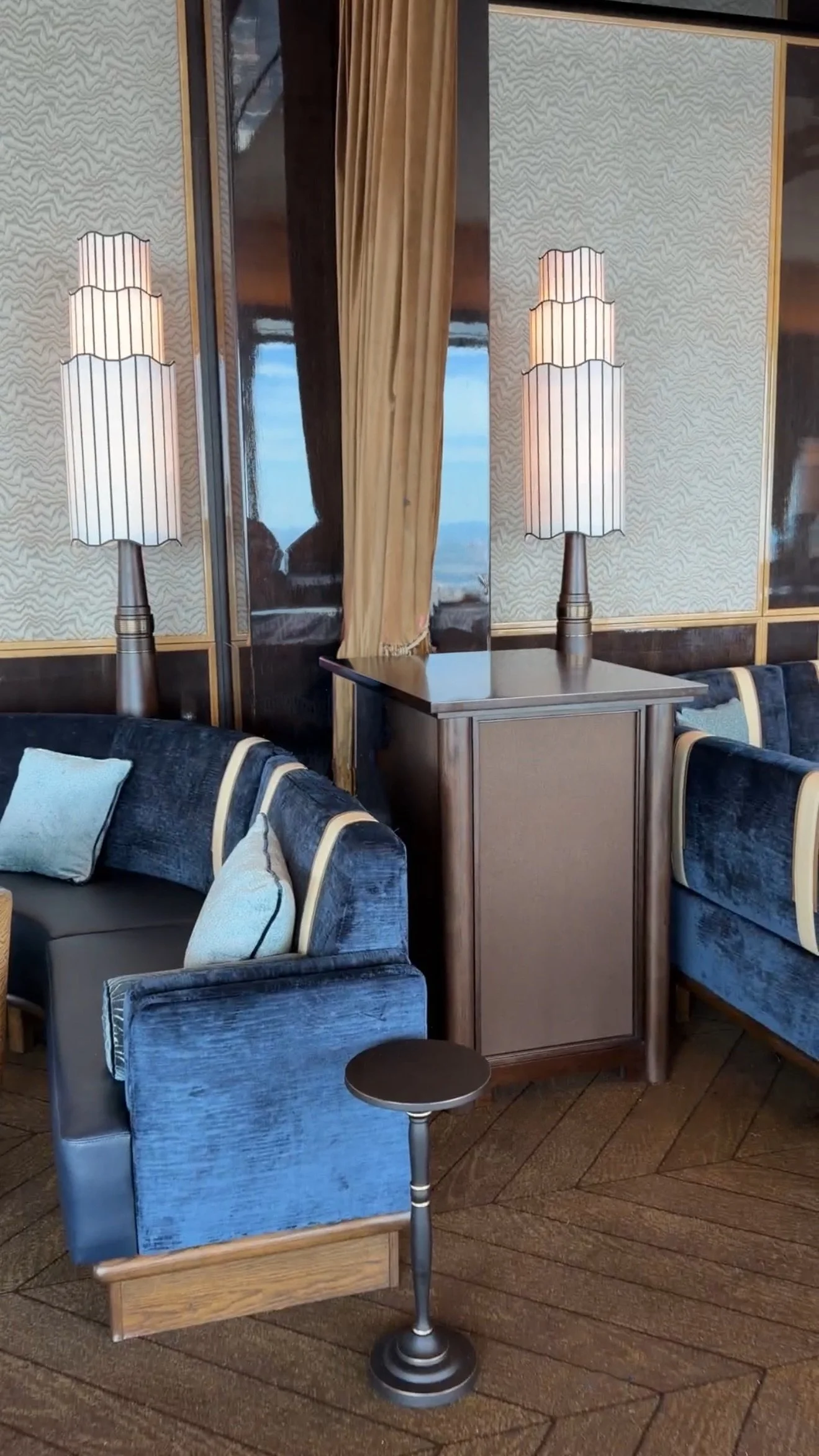
For architecturally sensitive installations, a compact subwoofer might be hidden beneath a couch or banquette, recessed into a wall, or suspended above a ceiling. The MiniSUB5, for example, is designed without branding for applications where maintaining the visual character of the space while having real deep sub support is a priority.
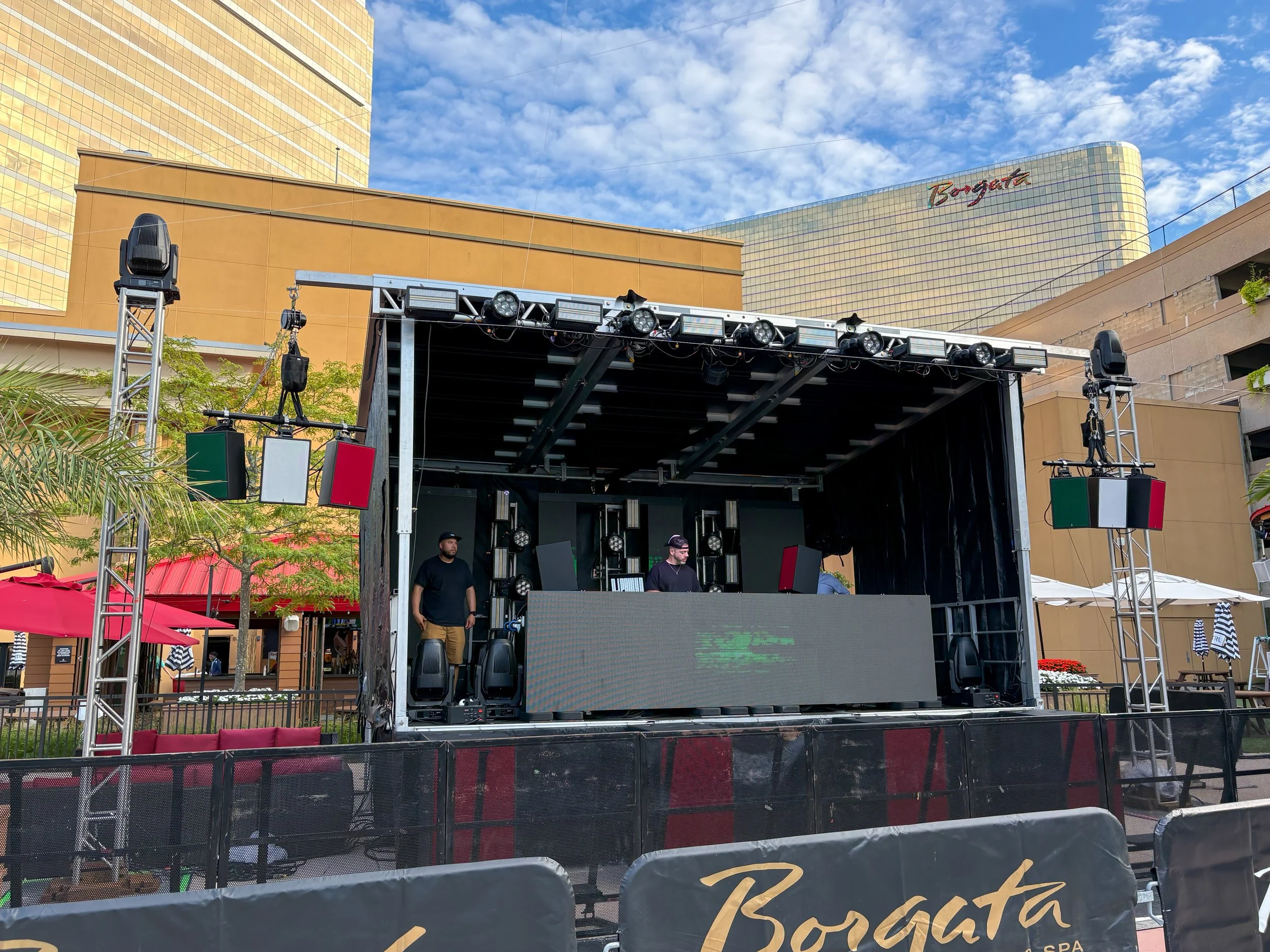
The SUB310 demonstrates another approach. Its three 10-inch drivers are housed in an enclosure less than a foot wide, allowing it to fit into tight spaces such as a one-foot stage or beneath banquettes while providing the output needed for applications such as clubs and lounges.
The result is a reminder that choosing a subwoofer is about finding the right combination of output and form factor for the design.
MiniSUB5
Why Distribute the Low End?
There are also situations where using multiple smaller subwoofers can be more effective than relying on a single larger subwoofer.
One reason is physical: if a project doesn't have room for a large enclosure, multiple smaller subs can provide another way to achieve the desired impact while working within the architectural constraints.
More importantly, multiple subwoofers allow an integrator to distribute low-frequency energy throughout the space rather than concentrating it in one location.
When a large subwoofer is placed in one location, low-frequency energy is strongest near the source and gradually decreases with distance. The listener closest to the subwoofer may therefore experience considerably more low-frequency energy than someone farther away.
In a restaurant or lounge, the listener closest to the subwoofer may also experience more of the physical vibration produced by the system, while listeners farther away may not experience the same level of low-frequency energy.
Distributing multiple subwoofers can help create a more even distribution of low-frequency energy and a more similar sonic experience throughout the space.
There are tradeoffs. Distributed subwoofers can introduce phase alignment issues at certain frequencies and in certain areas depending on their positioning and patterns. But in some applications, that compromise may be worthwhile when the alternative is a highly localized low-frequency hotspot.
From Distributed Subs to Subwoofer Arrays
Multiple subwoofers can also be deployed intentionally as an array, using spacing and delay to steer their radiation toward specific areas.
For larger-format systems, this can include configurations such as cardioid and endfire arrays. Rather than simply distributing subwoofers throughout a space, these approaches use their placement and configuration to provide greater control over where low-frequency energy is directed.
1 SOUND also offers subwoofers with these capabilities built into the cabinet. The CSUB210 and CSUB610 can be configured using presets including omnidirectional, endfire, and cardioid configurations.
Designing for Live Performance
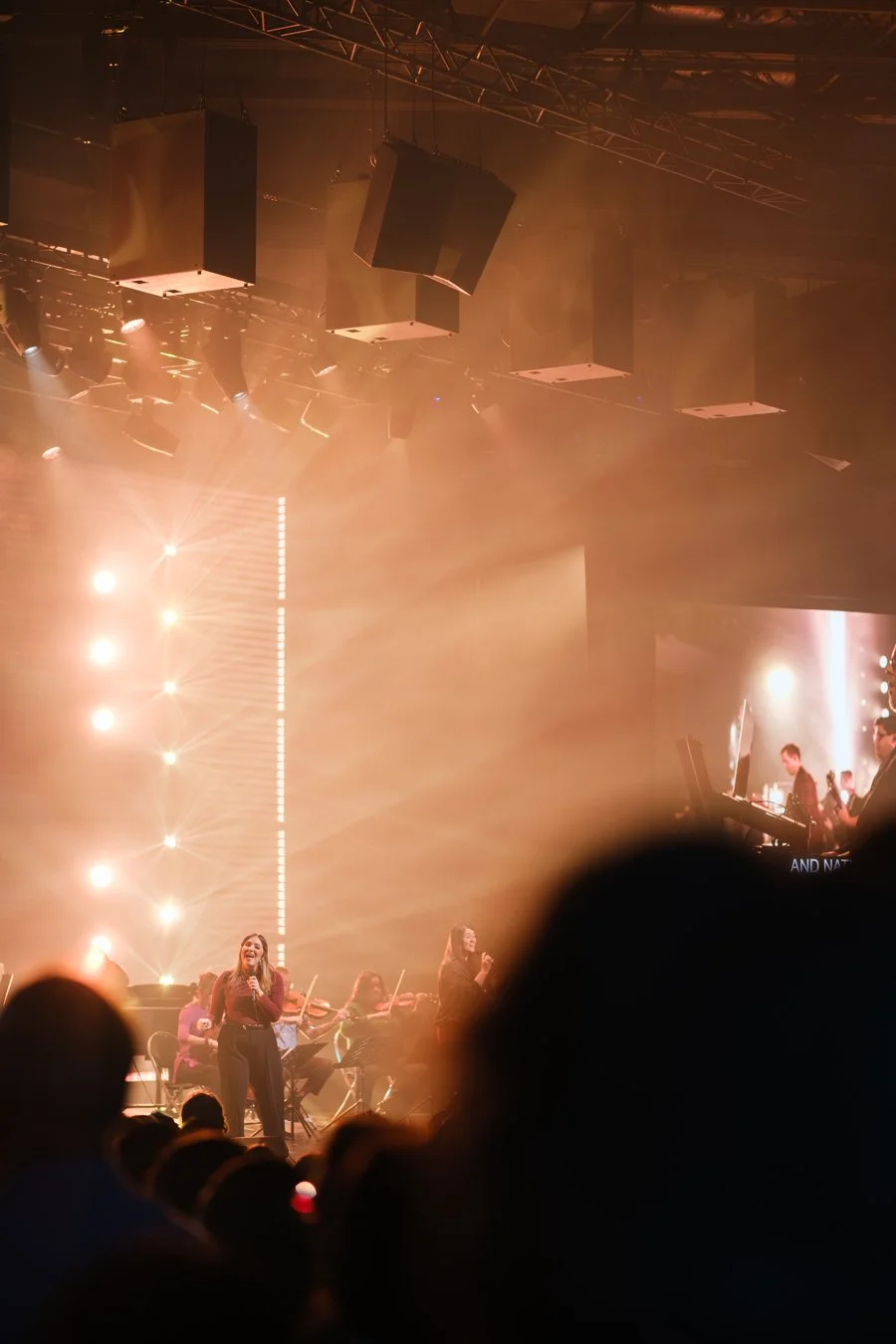
The same fundamental goal applies to live performance: audiences should experience a similar sonic experience whether they're sitting or standing in different areas of the venue.
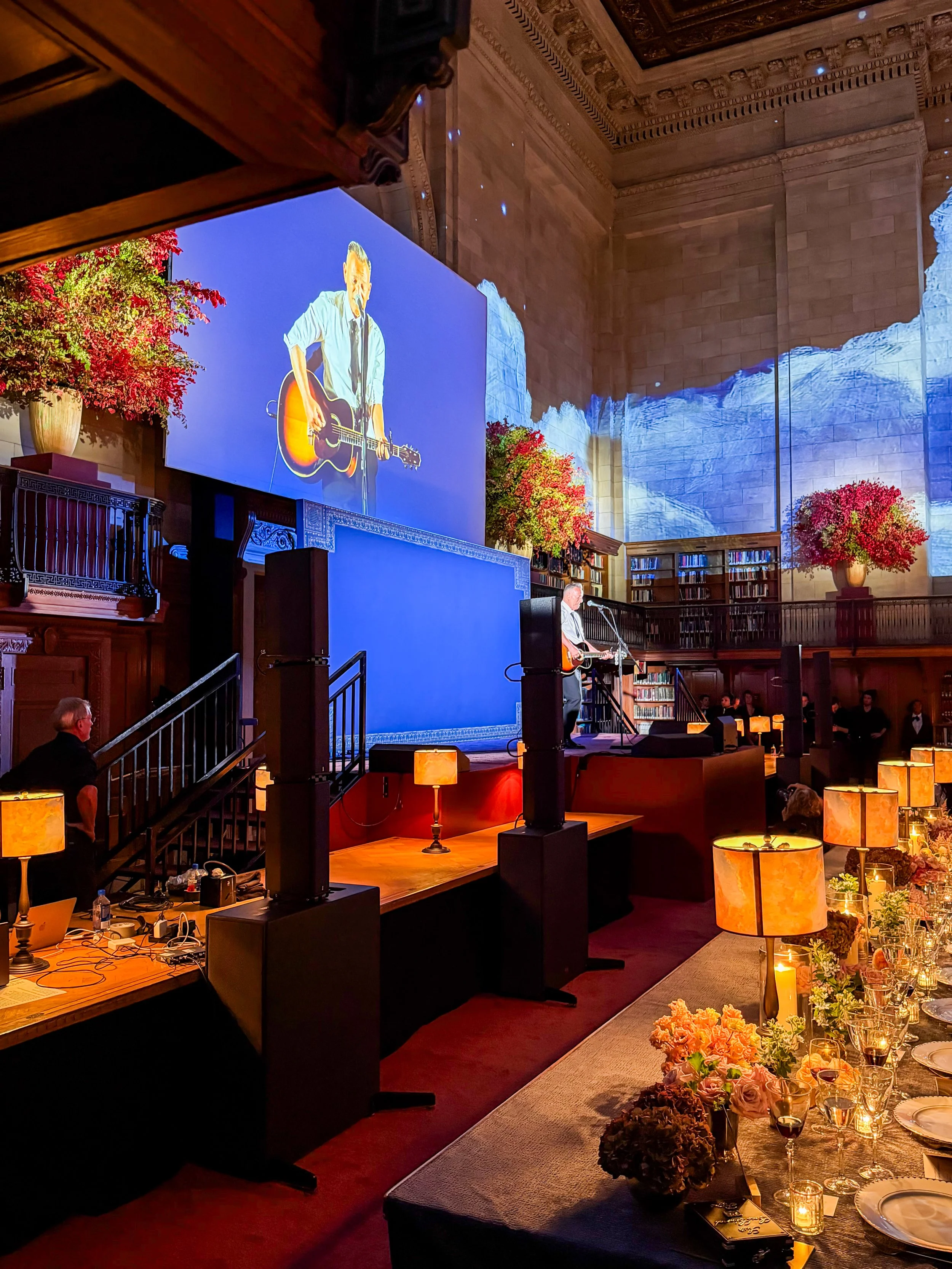
Performance applications generally allow fewer compromises when it comes to physical size, giving integrators more options for larger-format systems. Line arrays and subwoofer arrays can provide greater control over how sound is distributed across a large audience.
Subwoofers may also be flown to help create a more even distribution of low-frequency energy, rather than concentrating the greatest intensity in the front rows simply because they are closest to the source.
Another approach is to line the front of the stage with evenly spaced subwoofers. Rather than creating a conventional left-and-right arrangement, this configuration distributes the sources across the front of the stage and directs the energy into the audience.
The goal is to use the configuration of the system to control the listening experience rather than simply increasing output from a single source.
Understanding the Power Alley
Low-frequency sound presents another design consideration because of its long wavelengths. Multiple subwoofers reproducing the same content can interact with one another, creating areas where frequencies sum together and others where they cancel.
A power alley can occur when two spaced subwoofers reproduce the same content and their output sums in the middle. While that central area receives increased energy, cancellations can occur around it, resulting in uneven low-frequency coverage across the audience.
This is one reason integrators may use configurations other than a conventional left-and-right subwoofer setup. Distributing the subwoofers differently can help address these interactions and create a more controlled result.
Bigger Isn't Always Better
A larger subwoofer can be the right choice when an application demands substantial output. For a large concert or performance environment, that requirement may make a larger-format system the appropriate solution.
For a residential project, restaurant, lounge, or other space where architectural integration is important, a more compact solution may be the better fit.
Ultimately, the question isn't “how big is the subwoofer?” It's what does the space need?
That might mean a discreet MiniSUB5 beneath a banquette, multiple smaller subwoofers distributed throughout a hospitality environment, a configured array for greater control, or a high-output solution such as the SUB310.
With a range of form factors and deployment options, 1 SOUND's subwoofers give integrators the flexibility to design around the space, the application, and the listening experience.